by briaai
Open source · 7k downloads · 310 likes
FIBO is an open-source text-to-image generation model designed to provide precise and professional control over visual outputs. Unlike conventional models focused on imaginative outputs, it excels in predictability and reproducibility thanks to its exclusive training on structured captions in JSON format, which can exceed 1,000 words. It enables mastery of technical parameters such as lighting, composition, colors, or camera settings, while ensuring stability in modifications through an advanced disentanglement approach. Tailored for professional workflows, FIBO stands out for its ability to generate high-quality images while strictly adhering to instructions, with strong adherence to prompts. Trained exclusively on licensed data, it meets corporate governance and compliance requirements, offering a reliable and legal alternative to existing solutions. Its lightweight architecture (8 billion parameters) ensures accessibility without compromising optimal performance.







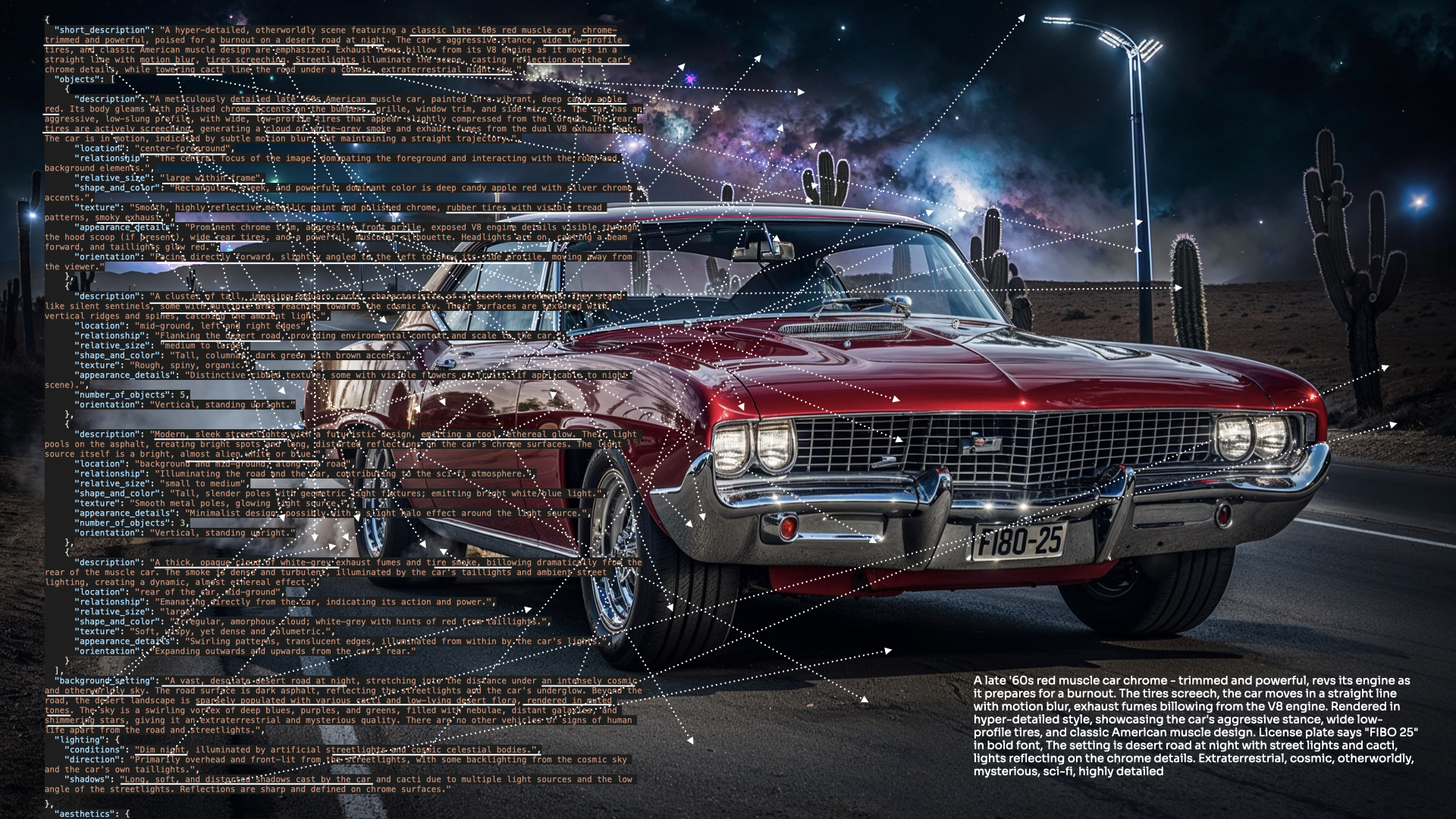
FIBO is the first open-source, JSON-native text-to-image model trained exclusively on long structred captions.
Fibo sets a new standard for controllability, predictability, and disentanglement by implementing the new VGL - Visual GenAI Language paradigm
Most text-to-image models excel at imagination—but not control. FIBO is built for professional workflows, not casual use. Trained on structured JSON captions up to 1,000+ words, FIBO enables precise, reproducible control over lighting, composition, color, and camera settings. The structured captions foster native disentanglement, allowing targeted, iterative refinement without prompt drift. With only 8B parameters, FIBO delivers high image quality, strong prompt adherence, and professional-grade control—trained exclusively on licensed data.
FIBO is available everywhere you build, either as source-code and weights, ComfyUI nodes or API endpoints.
API Endpoint:
ComfyUI:
Source-Code & Weights
Install Diffusers from the source code:
pip install git+https://github.com/huggingface/diffusers torch torchvision google-genai boltons ujson sentencepiece accelerate transformers
FIBO uses a VLM that transforms short prompts into detailed structured prompts that are used to generate images. You can use the following code to generate images using Gemini via the Google API - **requires a GOOGLE_API_KEY**, or uncomment the relevant section to run a local VLM instead (FIBO-VLM):
import json
import os

import torch
from diffusers import BriaFiboPipeline
from diffusers.modular_pipelines import ModularPipelineBlocks


# -------------------------------
# Load the VLM pipeline
# -------------------------------
torch.set_grad_enabled(False)
# Using Gemini API, requires GOOGLE_API_KEY environment variable
assert os.getenv("GOOGLE_API_KEY") is not None, "GOOGLE_API_KEY environment variable is not set"
vlm_pipe = ModularPipelineBlocks.from_pretrained("briaai/FIBO-gemini-prompt-to-JSON", trust_remote_code=True)
vlm_pipe = vlm_pipe.init_pipeline()

# Using local VLM, uncomment to run
# vlm_pipe = ModularPipelineBlocks.from_pretrained("briaai/FIBO-VLM-prompt-to-JSON", trust_remote_code=True)
# vlm_pipe = vlm_pipe.init_pipeline()

# Load the FIBO pipeline
pipe = BriaFiboPipeline.from_pretrained(
    "briaai/FIBO",
    torch_dtype=torch.bfloat16,
)
pipe.to("cuda")
# pipe.enable_model_cpu_offload() # uncomment if you're getting CUDA OOM errors

# -------------------------------
# Run Prompt to JSON
# -------------------------------

# Create a prompt to generate an initial image
output = vlm_pipe(
    prompt="A hyper-detailed, ultra-fluffy owl sitting in the trees at night, looking directly at the camera with wide, adorable, expressive eyes. Its feathers are soft and voluminous, catching the cool moonlight with subtle silver highlights. The owl's gaze is curious and full of charm, giving it a whimsical, storybook-like personality."
)
json_prompt_generate = output.values["json_prompt"]

def get_default_negative_prompt(existing_json: dict) -> str:
    negative_prompt = ""
    style_medium = existing_json.get("style_medium", "").lower()
    if style_medium in ["photograph", "photography", "photo"]:
        negative_prompt = """{'style_medium':'digital illustration','artistic_style':'non-realistic'}"""
    return negative_prompt


negative_prompt = get_default_negative_prompt(json.loads(json_prompt_generate))

# -------------------------------
# Run Image Generation
# -------------------------------
# Generate the image from the structured json prompt
results_generate = pipe(
    prompt=json_prompt_generate, num_inference_steps=50, guidance_scale=5, negative_prompt=negative_prompt
)
results_generate.images[0].save("image_generate.png")
with open("image_generate_json_prompt.json", "w") as f:
    f.write(json_prompt_generate)
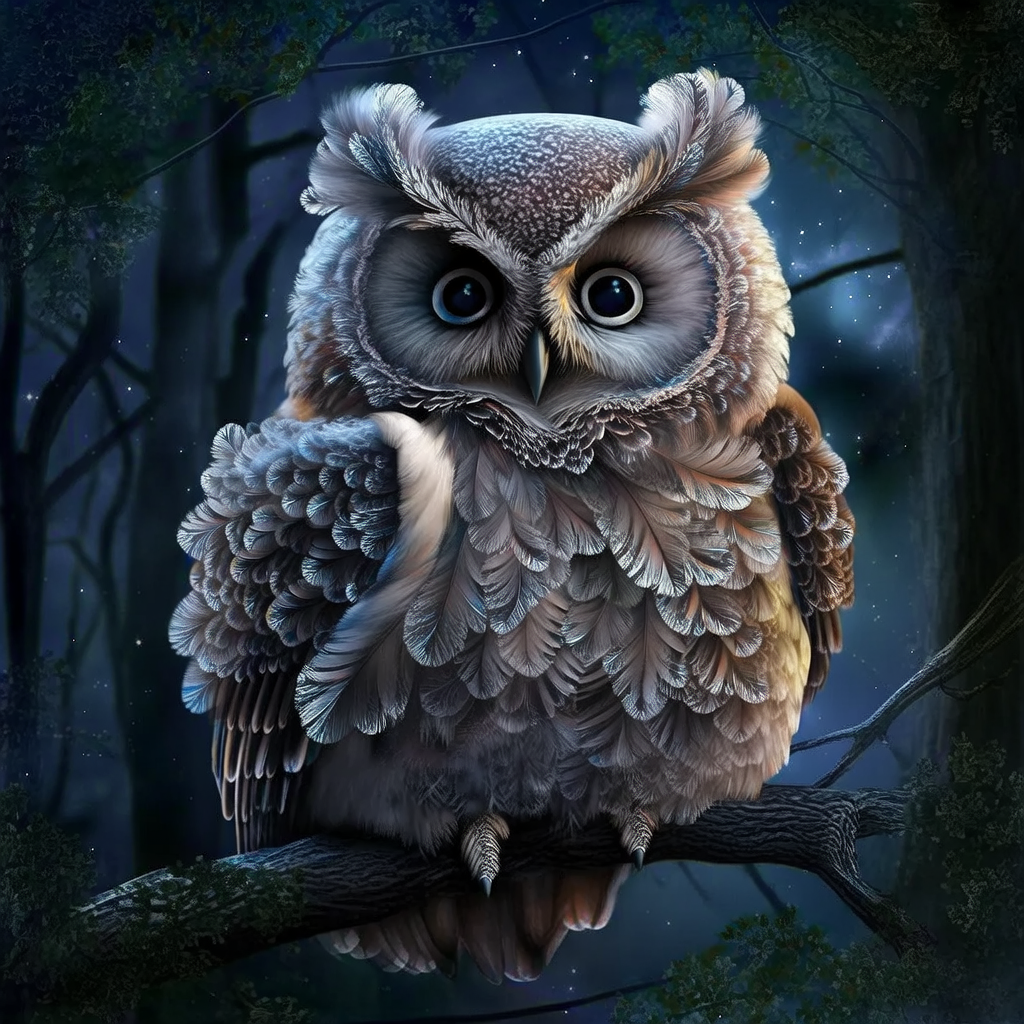
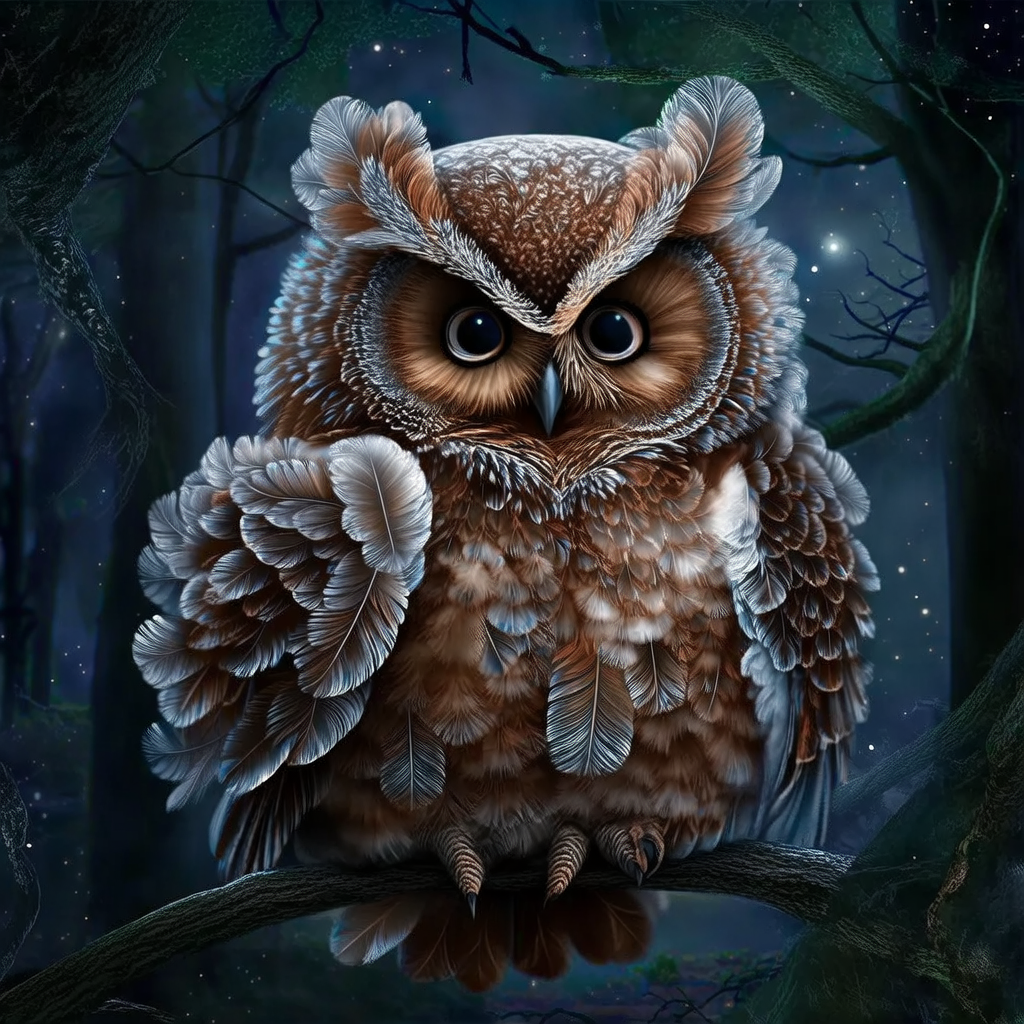
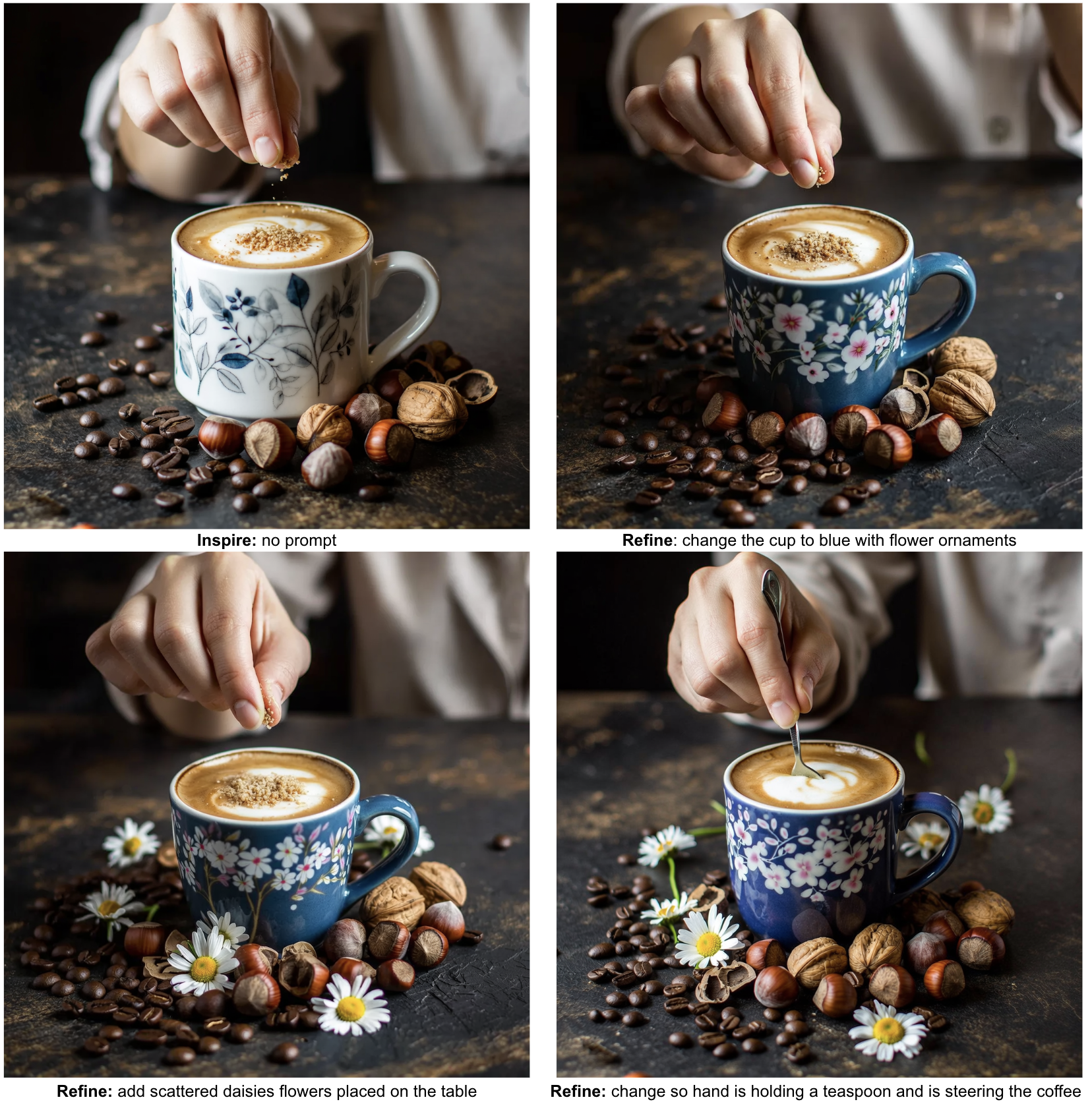
FIBO supports iterative generation. Given a structured prompt and an instruction, FIBO refines the output.
output = vlm_pipe(
    json_prompt=json_prompt_generate, prompt="make the owl brown"
)
json_prompt_refine_from_image = output.values["json_prompt"]

negative_prompt = get_default_negative_prompt(json.loads(json_prompt_refine_from_image))
results_refine_from_image = pipe(
    prompt=json_prompt_refine_from_image, num_inference_steps=50, guidance_scale=5, negative_prompt=negative_prompt
)
results_refine_from_image.images[0].save("image_refine_from_image.png")
with open("image_refine_from_image_json_prompt.json", "w") as f:
    f.write(json_prompt_refine_from_image)
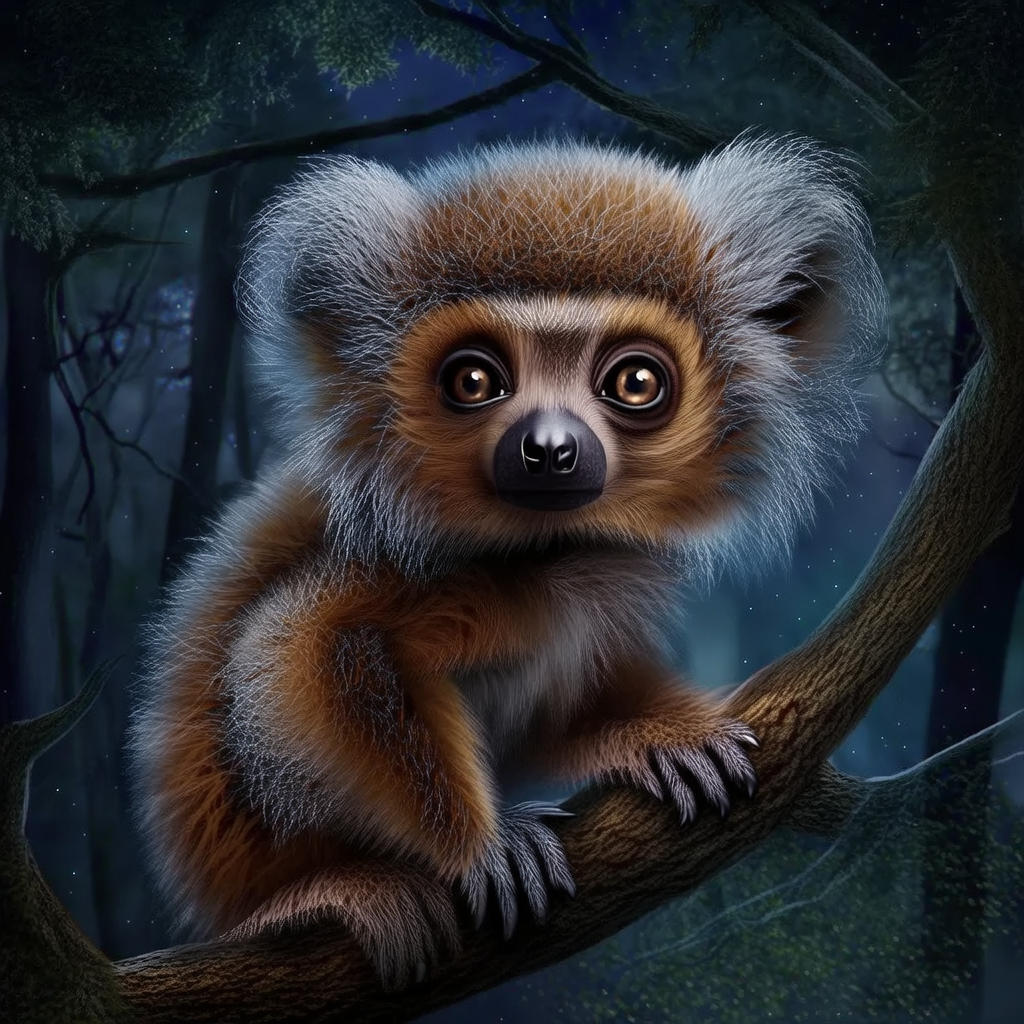
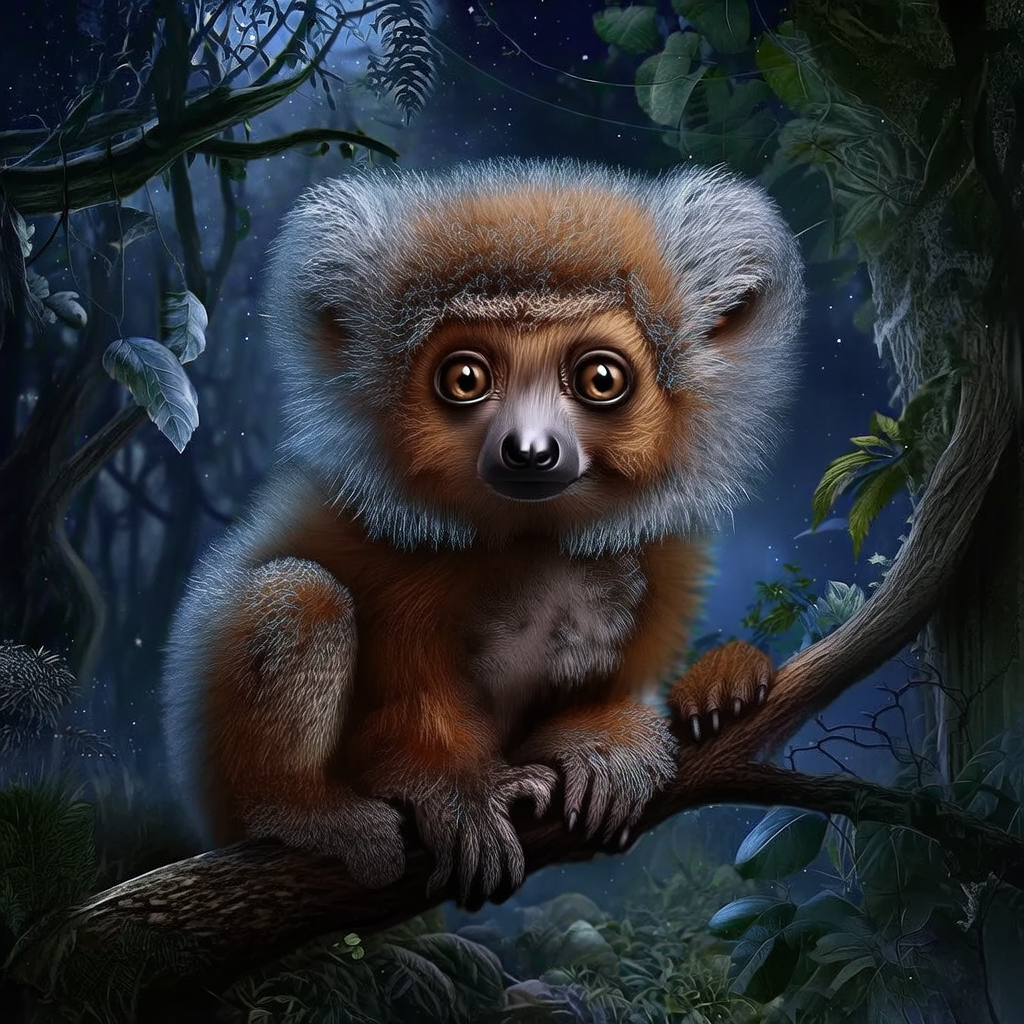
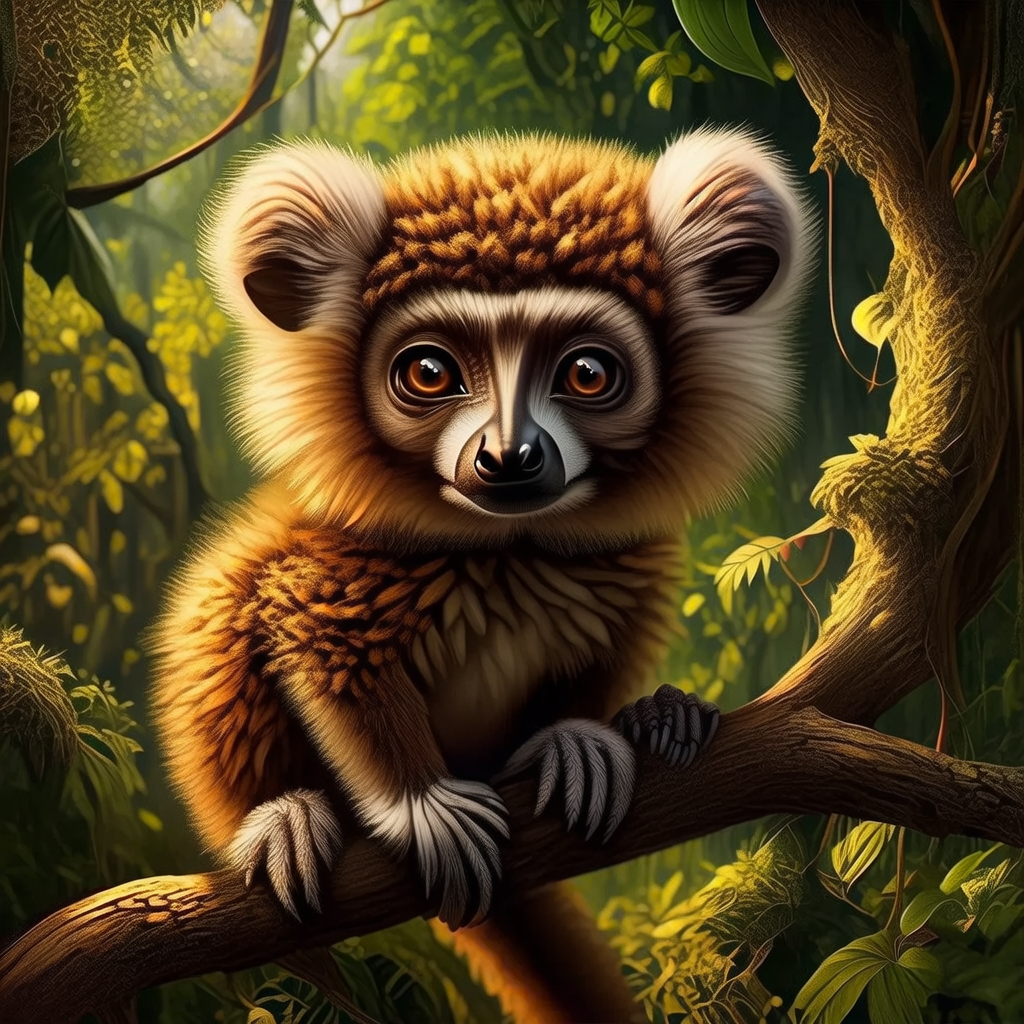
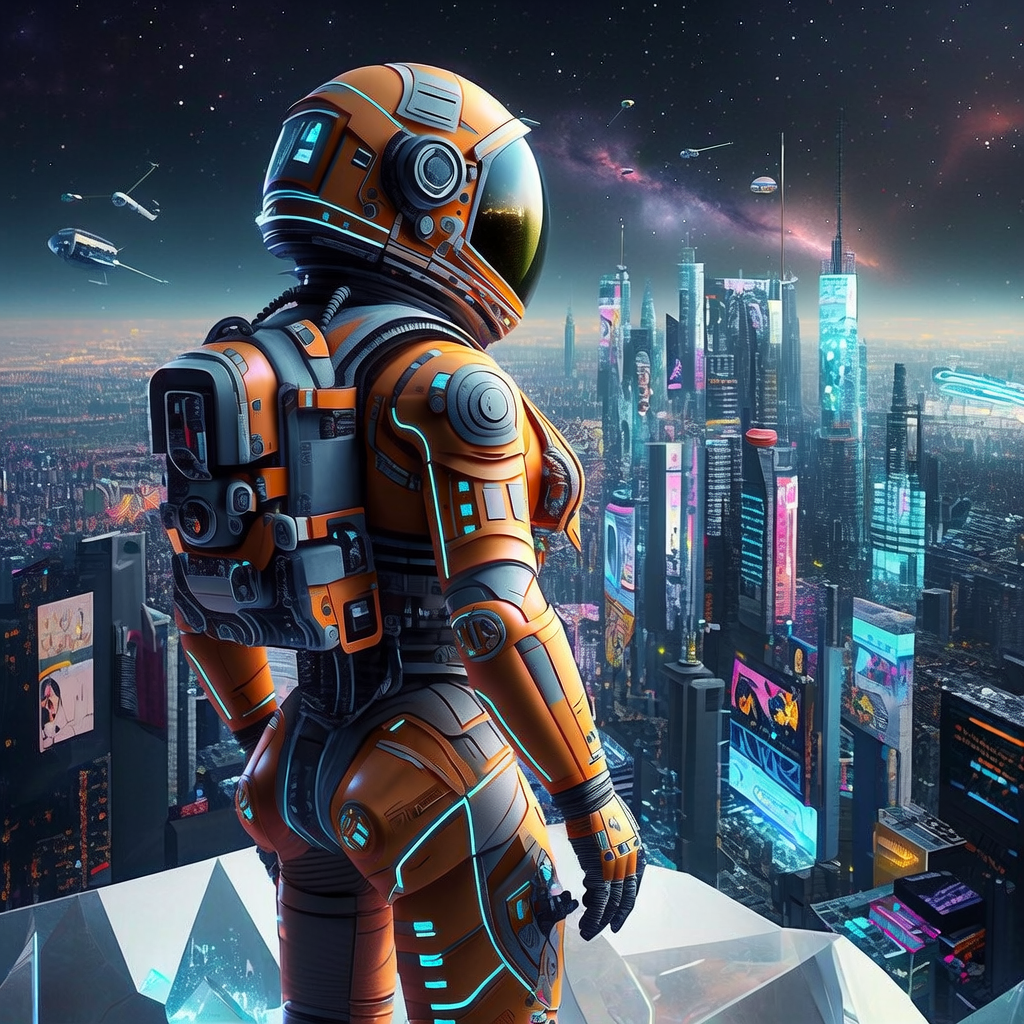
Start from an image as inspiration and let Fibo regenerate a variation of it or merge your creative intent into the next generation
from PIL import Image
original_astronaut_image = Image.open("<path to original astronaut image>")
output = vlm_pipe(
    image=original_astronaut_image, prompt="")
json_prompt_inspire = output.values["json_prompt"]
negative_prompt = get_default_negative_prompt(json.loads(json_prompt_inspire))
results_inspire = pipe(
    prompt=json_prompt_inspire, num_inference_steps=50, guidance_scale=5, negative_prompt=negative_prompt
)
results_inspire.images[0].save("image_inspire_no_prompt.png")
with open("image_inspire_json_prompt_no_prompt.json", "w") as f:
    f.write(json_prompt_inspire)

output = vlm_pipe(
    image=original_astronaut_image, prompt="Make futuristic")
json_prompt_inspire = output.values["json_prompt"]
negative_prompt = get_default_negative_prompt(json.loads(json_prompt_inspire))

results_inspire = pipe(
    prompt=json_prompt_inspire, num_inference_steps=50, guidance_scale=5, negative_prompt=negative_prompt
)
results_inspire.images[0].save("image_inspire_with_prompt.png")
with open("image_inspire_json_prompt_with_prompt.json", "w") as f:
    f.write(json_prompt_inspire)
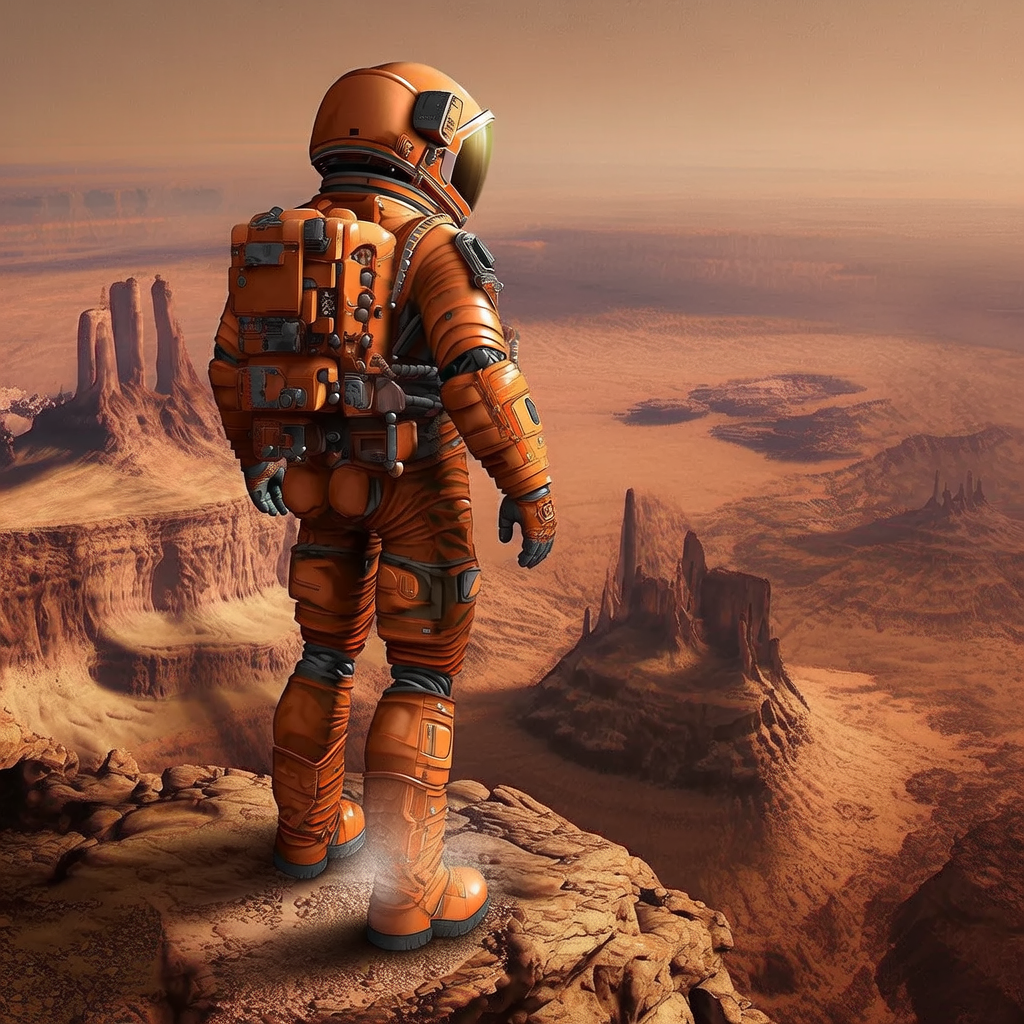
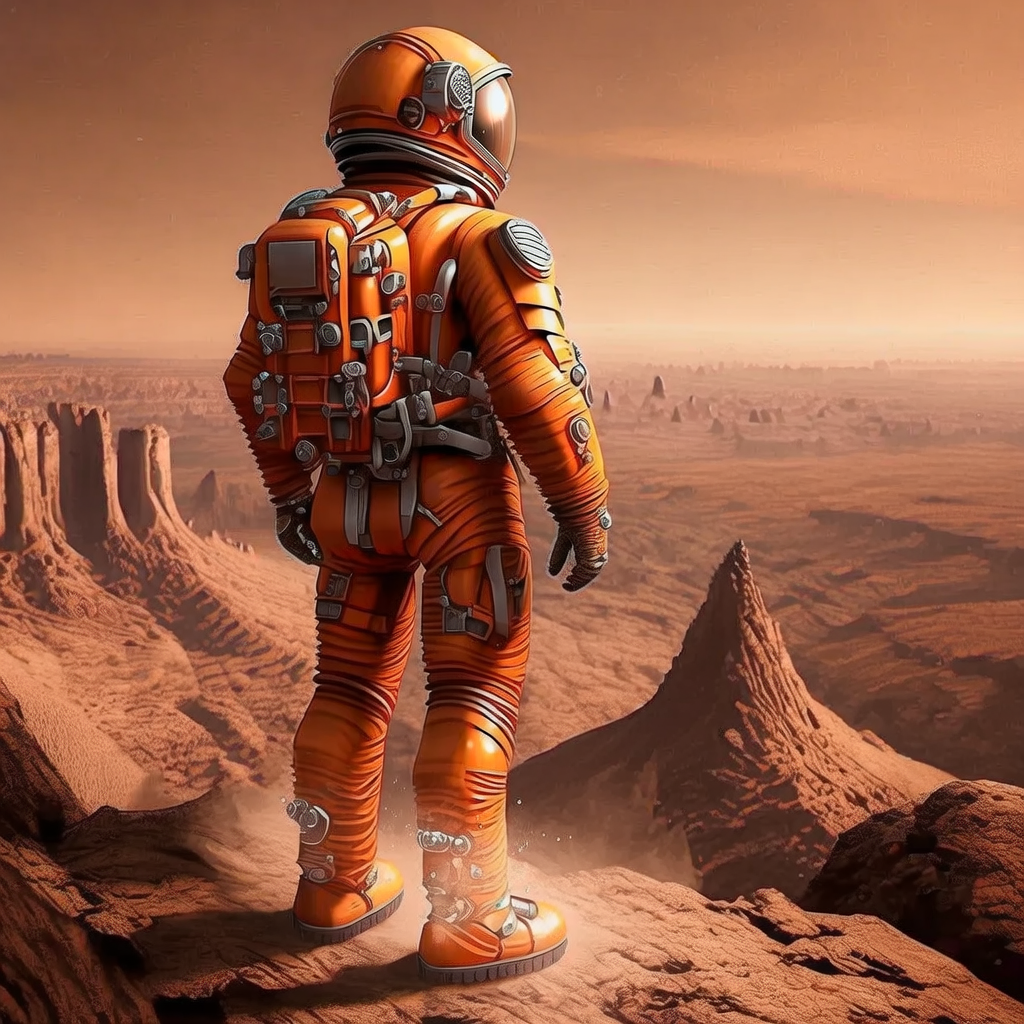
FIBO supports any VLM as part of the pipeline. To use Gemini as VLM backbone for FIBO, follow these instructions:
Obtain a Gemini API Key
Sign up for the Google AI Studio (Gemini) and create an API key.
Set the API Key as an Environment Variable
Store your Gemini API key in the GEMINI_API_KEY environment variable:
export GEMINI_API_KEY=your_gemini_api_key
You can add the above line to your .bashrc, .zshrc, or similar shell profile for persistence.
see the examples in the examples directory for more details.
FIBO is an 8B-parameter DiT-based, flow-matching text-to-image model trained exclusively on licensed data and on > long, structured JSON captions (~1,000 words each), enabling strong prompt adherence and professional-grade control. It uses SmolLM3-3B as the text encoder with a novel DimFusion conditioning architecture for efficient long-caption training, and Wan 2.2 as the VAE. The structured supervision promotes native disentanglement for targeted, iterative refinement without prompt drift, while VLM-assisted prompting expands short user intents, fills in missing details, and extracts/edits structured prompts from images using our fine-tuned Qwen-2.5-based VLM or Gemini 2.5 Flash. For reproducibility, we provide the assistant system prompt and the structured-prompt JSON schema across the “Generate,” “Refine,” and “Inspire” modes.
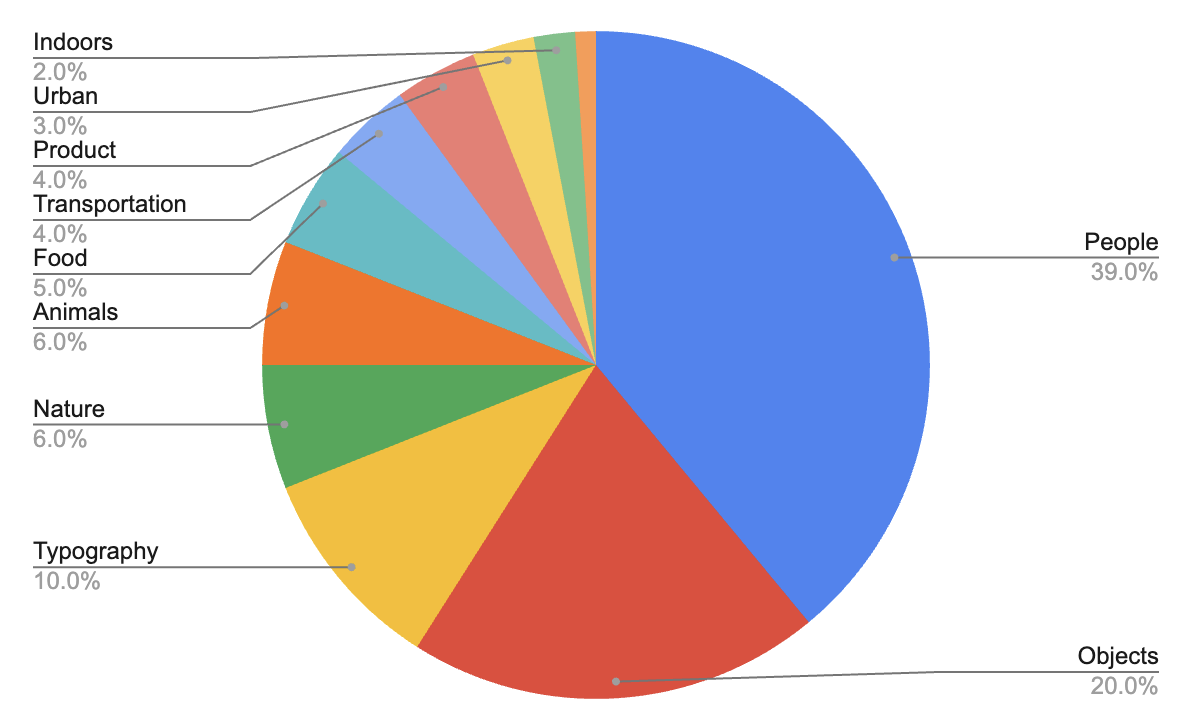
FIBO was trained on curated set of image–caption pairs selected from ~1B image dataset as shown in the dataset distribution. All assets are vetted for commercial use, attribution traceability, and regional compliance under GDPR and the EU AI Act. This broad and balanced dataset ensures FIBO’s ability to generalize across a wide range of visual domains, from realistic human imagery to graphic design and product visualization, while maintaining full licensing compliance.
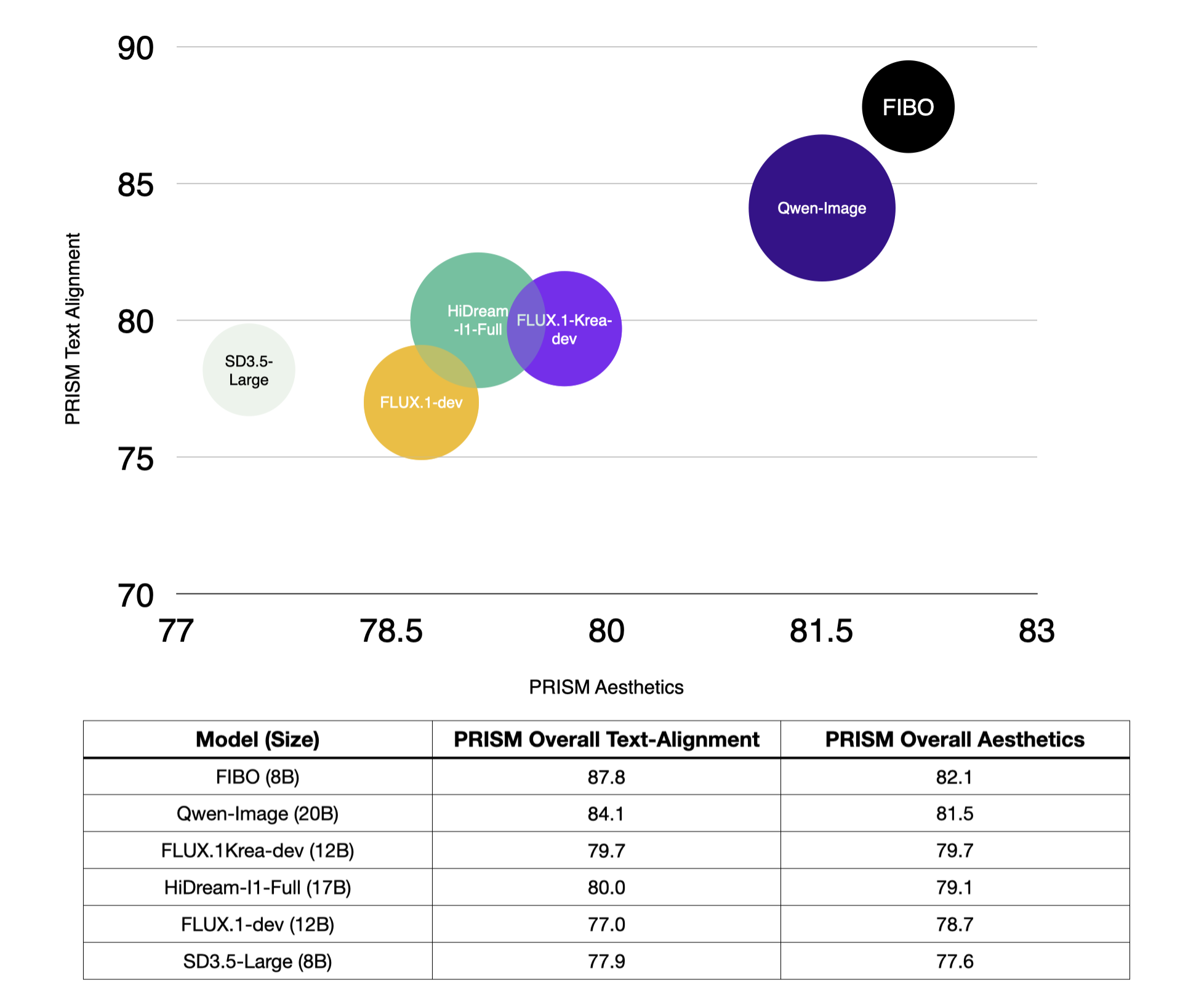
Using a licensed-data subset of PRISM-Bench, we evaluate image–text alignment and aesthetics. FIBO outperforms comparable open-source baselines, suggesting strong prompt adherence, controllability and aesthetics from structured-caption training.
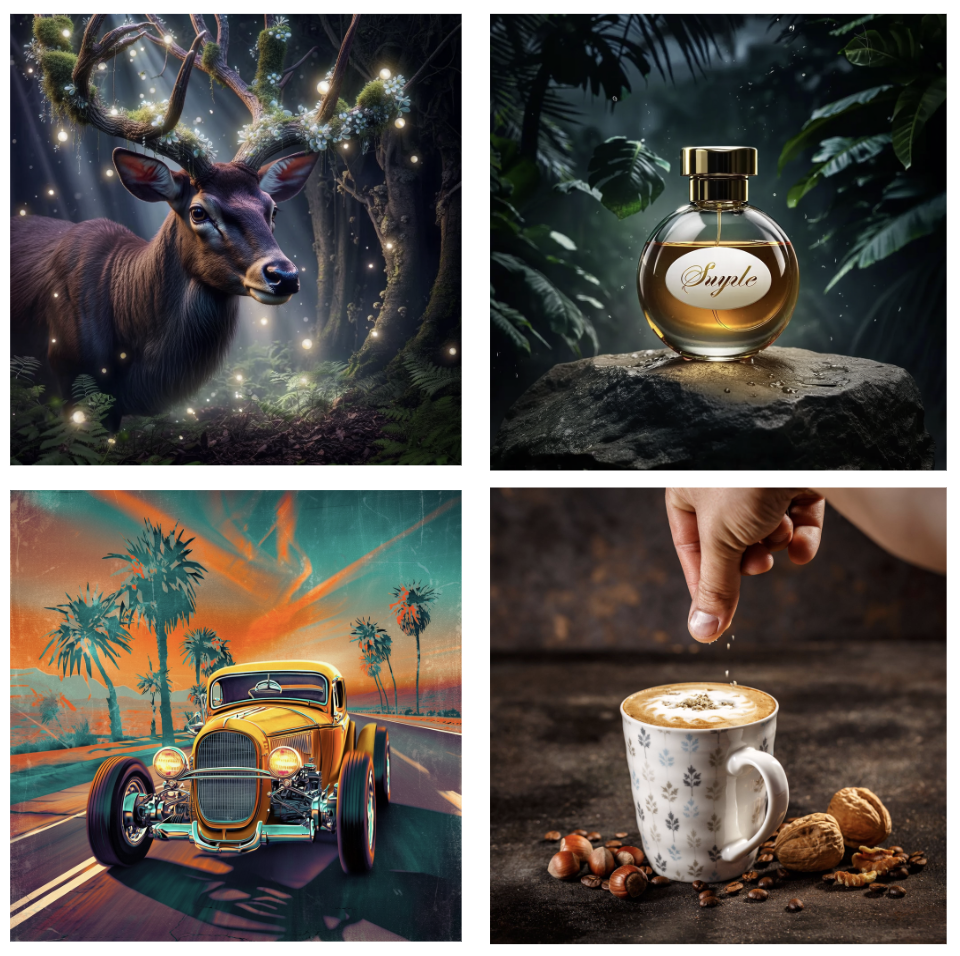
Generate
Inspire & Refine
FIBO is inspired by the Fibonacci sequence, where math meets beauty through the golden ratio—nature’s and design’s timeless key to harmony.
If you have questions about this repository, feedback to share, or want to contribute directly, we welcome your issues and pull requests on GitHub. Your contributions help make FIBO better for everyone.
If you're passionate about fundamental research, we're hiring full-time employees (FTEs) and research interns. Don't wait - reach out to us at [email protected]
We kindly encourage citation of our work if you find it useful.
@article{gutflaish2025generating,
  title={Generating an Image From 1,000 Words: Enhancing Text-to-Image With Structured Captions},
  author={Gutflaish, Eyal and Kachlon, Eliran and Zisman, Hezi and Hacham, Tal and Sarid, Nimrod and Visheratin, Alexander and Huberman, Saar and Davidi, Gal and Bukchin, Guy and Goldberg, Kfir and others},
  journal={arXiv preprint arXiv:2511.06876},
  year={2025}
}
❤️ FIBO model card and ⭐ Star FIBO on GitHub to join the movement for responsible generative AI!
